
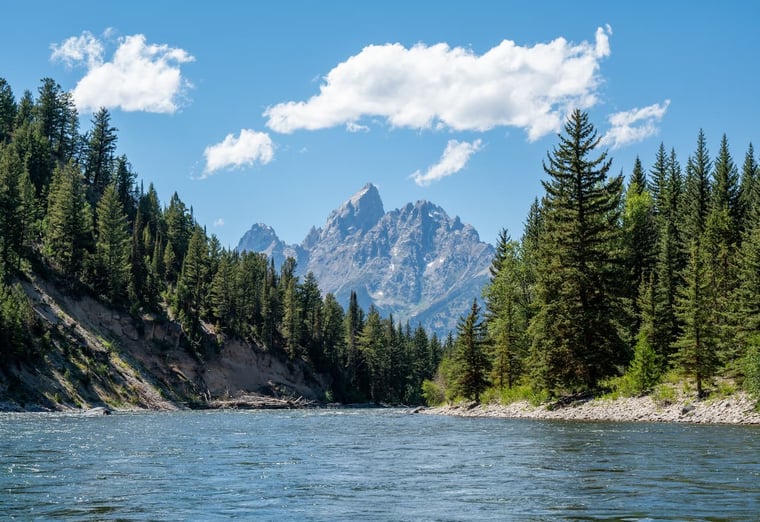
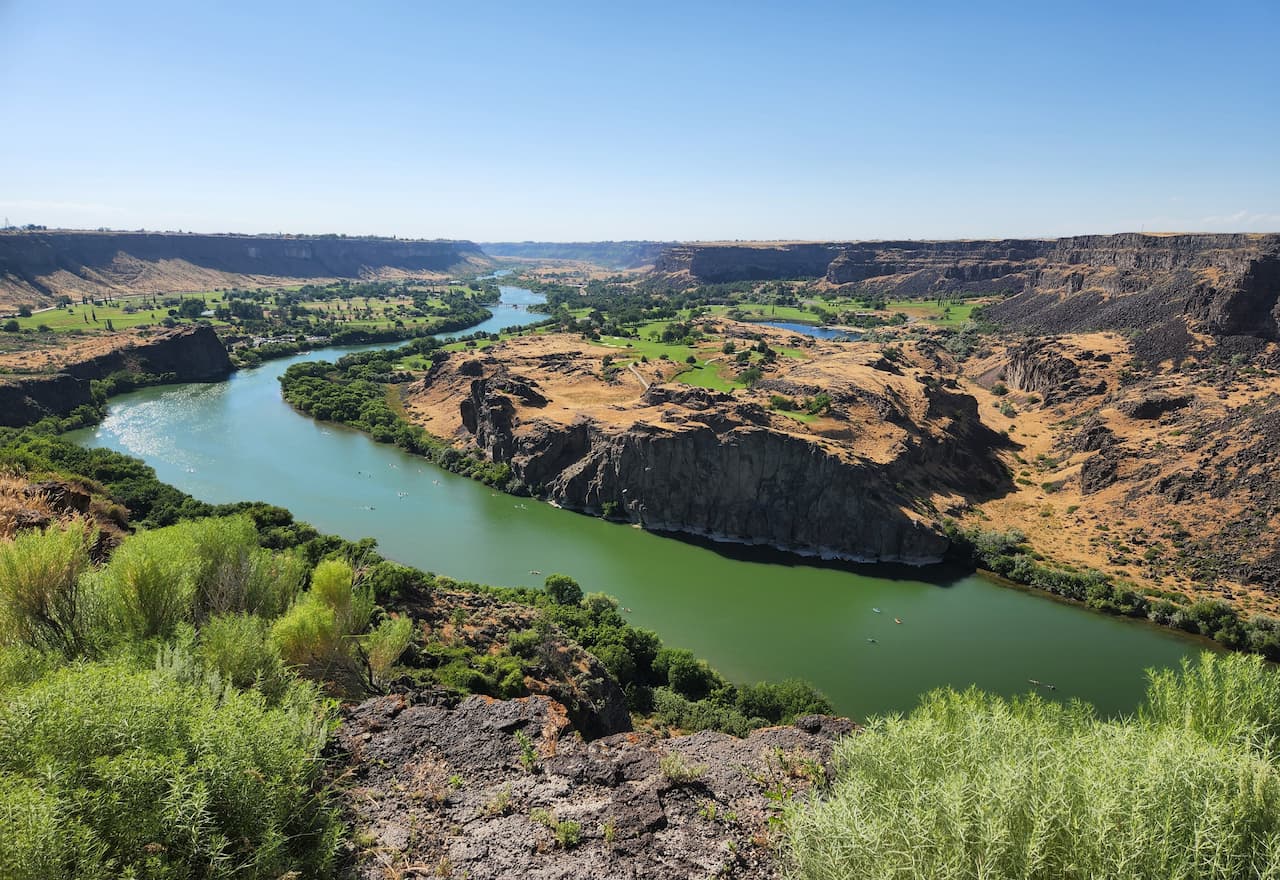
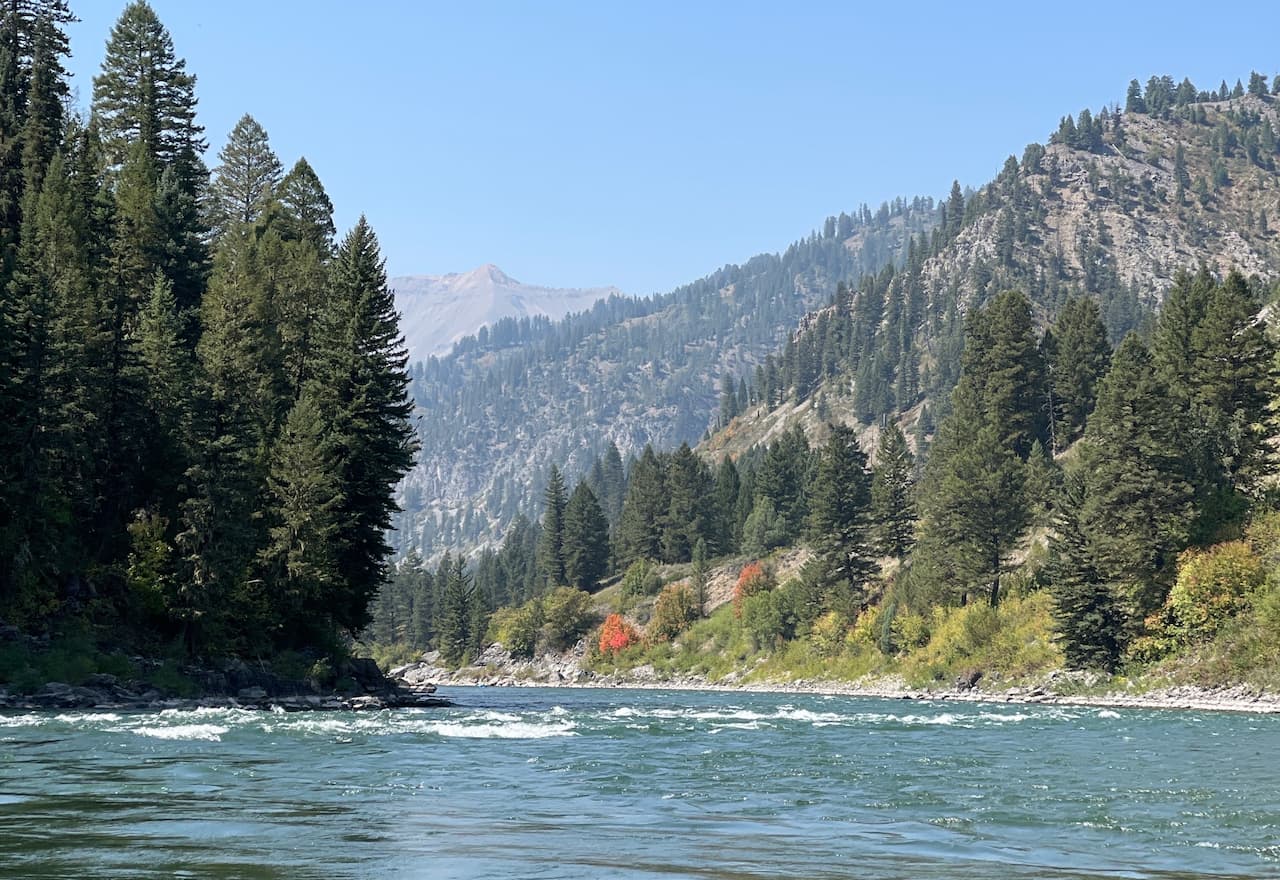
Tucked between the canyons and valleys of the Pacific Northwest, Idaho’s Snake River flows with clarity, cold temperatures, and an ecosystem suited perfectly for trout farming. But these aren’t just any fish — Snake River trout are cultivated with care, raised in water that’s monitored for purity and flow, and fed with diets that reflect a growing concern for both health and environmental balance.
In recent years, this river has become a symbol of sustainable aquaculture — where innovation meets tradition, and where fish farming is rooted in stewardship rather than scale. For members receiving trout through Project FoodBox, it’s a chance to enjoy a lean, nutrient-rich protein that’s locally farmed and responsibly managed.
Here’s what makes Snake River trout such a smart, sustainable addition to the weekly box — and how it supports both health and habitat.
Trout Farming That Works with the River
Unlike conventional aquaculture setups, Snake River trout farms take advantage of the river’s natural flow and temperature. The constant movement of cold, clean water creates an ideal environment for rainbow trout — a species known for its mild flavor, pink flesh, and high protein content.
Trout in this region are raised in flow-through systems that mimic the fish’s natural habitat. These systems help minimize stress, promote natural swimming patterns, and reduce disease, meaning fewer interventions and less need for antibiotics.
What’s more, local farms often monitor the water both before and after it passes through their systems — making sure that what goes back into the river is as clean as what came out. This closed-loop thinking supports river health and keeps environmental impacts to a minimum.
Clean Feed, Clean Protein
Just like with cattle or poultry, what fish eat matters. Snake River trout are raised on carefully balanced feed made from sustainably sourced ingredients — often including plant-based proteins, essential oils, and vitamins that support optimal growth without excessive waste.
This kind of feed approach limits contamination and keeps mercury levels low — which is particularly important for anyone watching their intake of heavy metals. It also results in meat that’s lean, high in omega-3 fatty acids, and easy to cook in a variety of ways.
Trout offers a great alternative to other meats: it’s lower in saturated fat, packed with complete protein, and delivers key nutrients like B12, selenium, and potassium. For people looking to reduce red meat or processed proteins, it’s an excellent weekly staple.
The Regional Advantage
The Snake River isn’t just a good place to raise trout — it’s one of the best. The combination of elevation, water chemistry, and seasonal consistency makes Idaho one of the top trout-producing states in the country.
Local producers in this area are often family-owned operations that have been refining their methods for decades. Their experience shows in how fish are raised, harvested, and processed — often using low-impact, small-batch techniques that prioritize freshness over volume.
For Project FoodBox members, this means access to fish that hasn’t traveled cross-country in a deep freeze. Instead, it’s delivered quickly after harvest, with minimal processing and more retained nutrients.
More Than a Filet: Why It Matters
Choosing trout from Snake River isn’t just about taste — though the taste is certainly a plus. It’s about supporting a food system that values water conservation, animal welfare, and practical nutrition.
These farms don’t just raise fish; they manage an entire ecosystem around that goal. They invest in water quality, fish health, and farming transparency — all of which makes for a cleaner protein and a smarter environmental footprint.
Whether it’s the first time trout is landing in your kitchen or a familiar favorite, there’s something meaningful about knowing the story behind it — and understanding the care that went into every part of its journey from river to table.

Rivers, Ranches, and Relationships
As we’ve seen with other Project FoodBox ingredients — from Grand Island beef to Watsonville berries — there’s a consistent thread: real people growing real food with respect for place and process. Snake River trout is no different.
This isn’t mass-produced seafood flown in from across the globe. It’s a product of clear water, clean systems, and small-scale farming designed to work with the land — not just extract from it. When you receive fish like this in your box, you’re connecting to a regional food chain that values balance, not shortcuts.
It’s another reminder that nutrition, sustainability, and flavor don’t have to be at odds. They can swim in the same direction.
Fresh from the River, Straight to Your Kitchen
At Project FoodBox, we aim to include ingredients that reflect our values — freshness, transparency, and regional integrity. Snake River trout checks every box: it’s responsibly farmed, nutritionally powerful, and flavor-forward.
You may not have chosen the trout, but it was chosen with care — sourced from trusted growers, raised in clean systems, and sent to you with the goal of keeping good food within reach.
Whether you pan-sear it with herbs or flake it into tacos, this is fish you can feel good about — for your plate, your health, and the ecosystems it comes from.
FAQ
Is this fish wild-caught or farmed?
Snake River trout is farm-raised in sustainable flow-through systems using clean, temperature-regulated water.
How fresh is the fish I receive?
Our sourcing partners work with producers who harvest and distribute quickly. The trout is chilled, minimally processed, and included in your delivery for peak freshness.
Is trout a good protein source?
Absolutely. It’s high in complete protein, omega-3s, B12, and low in saturated fat — making it a smart option for most balanced diets.
Can I cook it the same way I cook salmon?
Yes. Trout has a similar texture and cooking time, though its flavor is often described as milder and more delicate. Pan-searing, baking, or grilling all work well.
Directions
Snake River