Produce Prescriptions for Early Childhood
Improving Early Childhood Nutrition Through Produce Prescriptions: A United Way Pilot Case Study

Who Should Hear About This
-
Community-based organizations serving families with young children
-
Early childhood education and childcare networks
-
Healthcare and Food as Medicine leaders
-
Public and private funders focused on nutrition access
-
State and local policymakers exploring prevention-oriented interventions
Executive Summary
United Way of Coastal and Western Connecticut partnered with Project FoodBox to pilot a produce prescription program for families with children ages 0–5 enrolled in family childcare programs. The initiative applied a precision nutrition model, delivering curated, Connecticut-grown produce directly through childcare sites to reduce access barriers and support early childhood nutrition.
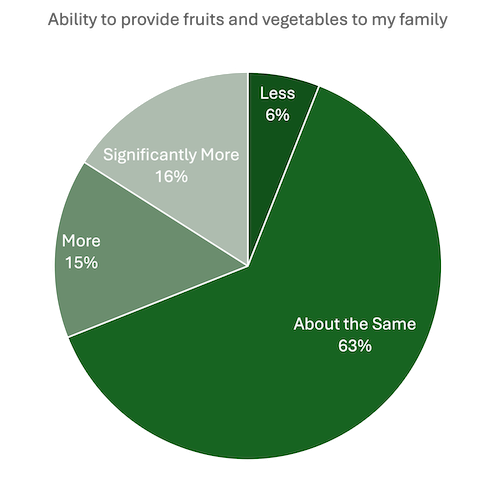
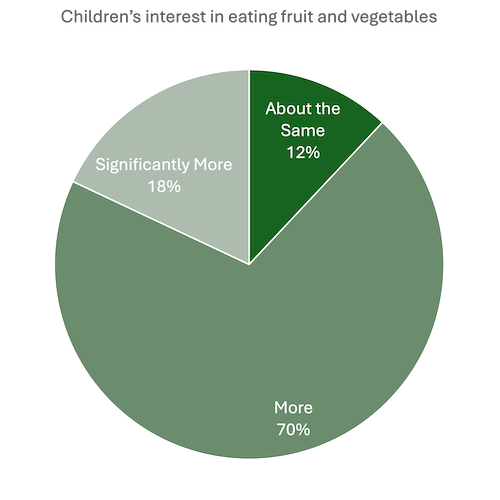
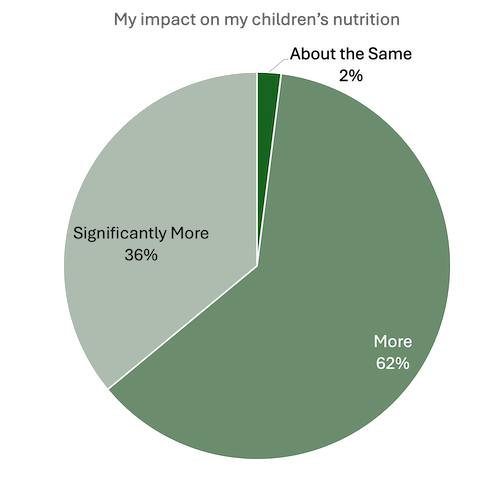
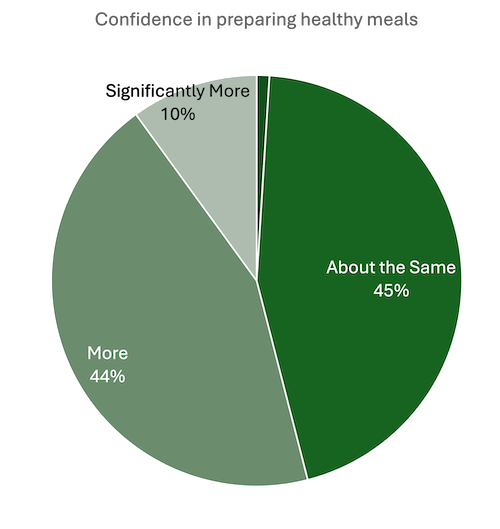
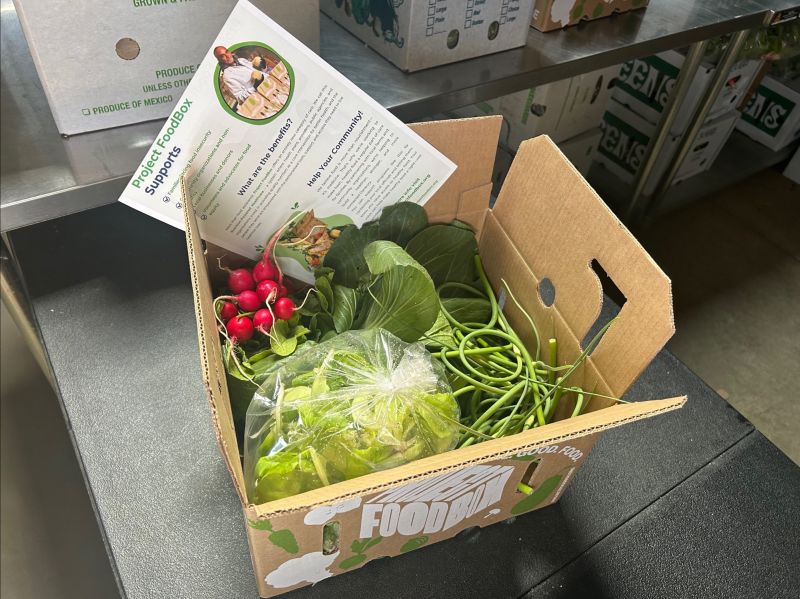
Over the course of the pilot, 1,200 produce boxes were distributed to more than 125 families. A post-program parent and guardian survey captured perceived outcomes related to nutrition quality, produce consumption, household food spending, and overall program value. The findings suggest that produce-based interventions delivered through trusted community settings can support healthier eating patterns while providing measurable financial relief for families.
Problem & Approach
Families with young children often face barriers to consistent access to fresh fruits and vegetables, even when participating in traditional food assistance programs. These programs frequently emphasize food quantity over nutrition quality, despite early childhood being a critical period for dietary development.
United Way of Coastal and Western Connecticut identified an opportunity to improve nutrition access for children ages 0–5 by leveraging trusted family childcare settings and a more tailored, produce-focused approach.
United Way and Project FoodBox designed a pilot program centered on three core principles:
-
Trusted access points: Produce was distributed through family childcare sites already serving participating families.
-
Medically-tailored design: Deliveries emphasized developmentally appropriate fruits and vegetables aligned with early childhood nutrition needs.
-
Local food systems: Each delivery included approximately 10 pounds of 100% Connecticut-grown produce, supporting both families and local farmers.
Impact
Post pilot survey results reflected strong positive outcomes.