

Anthem Blue Cross Foundation & LA Regional Food Bank Food Rx Pilot Takes on Nutrition and Chronic Disease
Food insecurity and chronic disease frequently overlap. In Los Angeles County, many adults managing pre-diabetes, type 2 diabetes, and hypertension also face limited access to healthy food.
The Food Rx Pilot Program — a partnership between the Anthem Blue Cross Foundation and the Los Angeles Regional Food Bank — explored whether consistent access to nutritious groceries, combined with structured nutrition education, could improve measurable health outcomes.
The results point to meaningful clinical and behavioral improvements over a 12-week period.
A Program Built Around Measured Outcomes
Participants received:
- Weekly groceries selected to support chronic condition management
- A 12-week nutrition education curriculum
- Guidance from trained nutrition professionals
- Pre- and post-program biometric assessments
Adults enrolled in the program screened positive for food insecurity and were living with conditions such as diabetes or hypertension. Health markers were evaluated at the beginning and end of the program to assess impact.
Documented Clinical Improvements
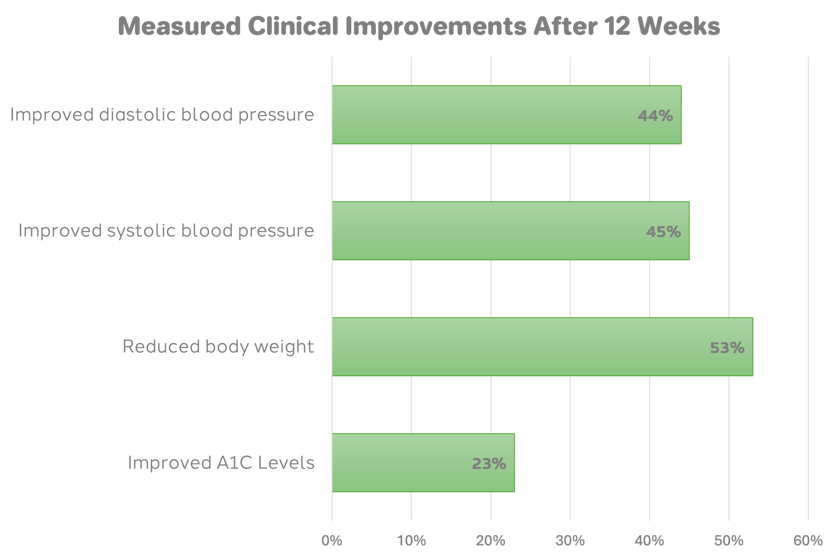
After 12 weeks, participants showed measurable changes in several key health indicators:
- 23% improved A1C levels, a primary marker of blood sugar control
- 53% experienced weight reduction
- 45% improved systolic blood pressure
- 44% improved diastolic blood pressure
Changes in A1C and blood pressure are clinically significant. Even modest reductions can lower cardiovascular risk and reduce the likelihood of long-term complications.
For participants, these shifts often translated into improved energy levels and a greater sense of control over their health.
Behavioral Shifts That Support Long-Term Health
Clinical markers improved alongside changes in daily habits:
- 50% increased vegetable intake
- 57% increased fruit intake
- 58% reported greater attention to nutrition labels
- 40% gained confidence in preparing healthy meals
- 40% reported making healthier choices when eating out
Sustained health improvement depends on routine behavior. By combining food access with education, the program helped participants build practical skills they can continue using beyond the 12-week period.
Continued Engagement in Preventive Care
Following completion of the program, 73% of participants at one partner site enrolled in the CDC Diabetes Prevention Program.
This level of follow-through suggests that structured nutrition support can strengthen engagement with broader preventive health services.
What the Food Rx Pilot Demonstrates
Several conclusions emerge from the pilot:
- Food access directly affects chronic disease management. Patients cannot follow dietary guidance when healthy food is financially or physically inaccessible.
- Nutrition interventions can influence biometric markers within a short timeframe. Twelve weeks was sufficient to observe movement in A1C and blood pressure.
- Education strengthens outcomes. Access to food combined with structured learning appears more impactful than food access alone.
- Community partnerships increase reach and effectiveness. Collaboration among healthcare providers, funders, and food distribution networks was central to the program’s implementation.
Although the pilot was not a randomized controlled trial, consistent improvements across multiple indicators provide strong directional evidence that integrated nutrition programs can improve health outcomes.
Relevance to the Broader Food-as-Medicine Movement
Healthcare spending in the United States is heavily concentrated on managing complications from diet-related chronic disease. Programs like Food Rx illustrate how upstream investment in nutrition can shift measurable health indicators.
The structure of the program offers several practical takeaways for similar initiatives:
- Defined duration with regular food distribution
- Integrated nutrition education
- Clinical measurement of outcomes
- Referral pathways into continued preventive care
As Food-as-Medicine models expand nationwide, pilots like this contribute valuable data on feasibility and impact.
Advancing Measurable Nutrition Programs
Project FoodBox partners with healthcare providers and health plans to deliver medically tailored nutrition to eligible Medi-Cal members across California. Programs are designed with clinical oversight, ongoing delivery, and measurable health objectives.
Improving chronic disease outcomes requires more than treatment plans. Access to nutritious food remains one of the most practical and scalable interventions available.