Good Health Starts with Freshness
Your Project FoodBox is carefully curated by registered dietitians to support chronic conditions like diabetes, heart disease, and renal health. Proper storage and preparation help you get the full nutritional benefit from every item.
Food Is Medicine
At Project FoodBox, we believe food is medicine. Research shows medically tailored nutrition can significantly reduce risks associated with chronic illness. But the impact depends on how produce is handled at home.

Why Storage Matters
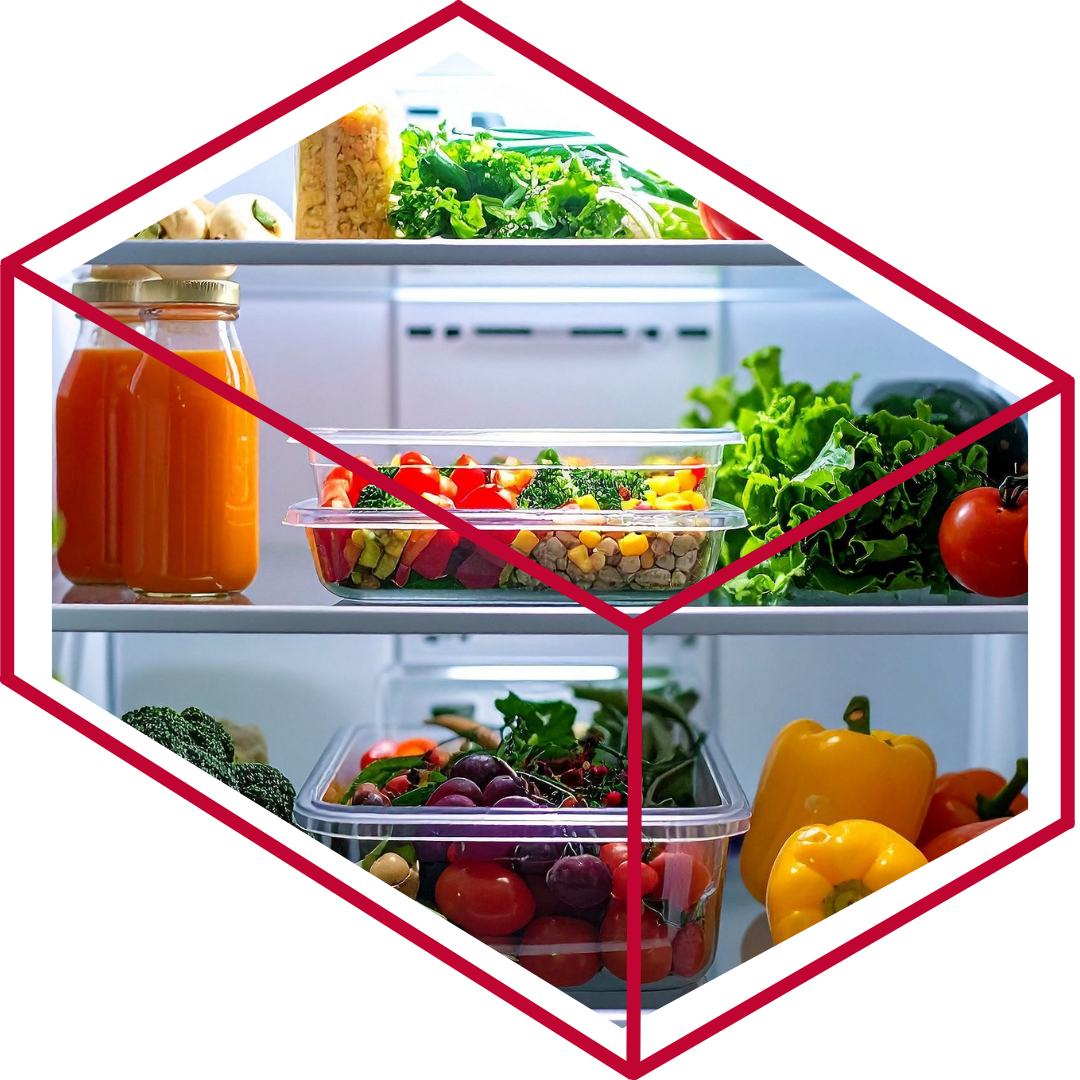
Fresh produce begins losing nutrients after harvest. Temperature, moisture, and airflow determine how long it lasts.
When stored properly, you can:
- Preserve vitamins and antioxidants
- Prevent spoilage and waste
- Improve flavor and texture
- Make meal planning easier
Proper storage supports Project FoodBox’s mission of reducing food waste while improving health outcomes
Quick Storage Rules
Use the most perishable items first, leafy greens and berries early in the week. Root vegetables later.

Keep Leafy Greens Dry
Moisture causes faster spoilage. Wash, dry thoroughly, store with paper towel.

Separate Ethylene Producers
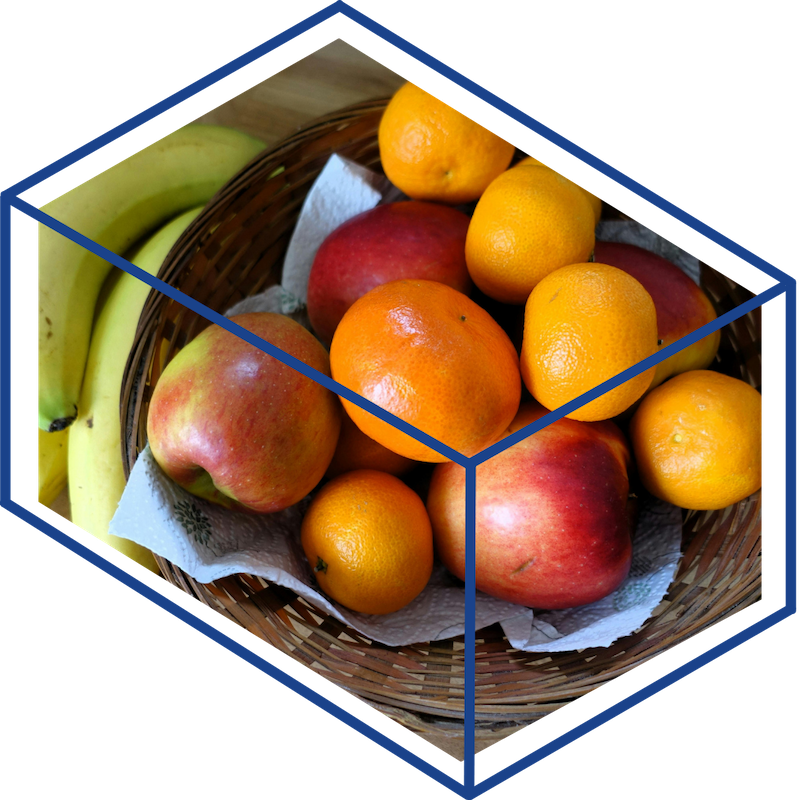
Apples, bananas, and avocados release ethylene gas that speeds ripening.

Store Root Vegetables in Cool, Dark Places
Potatoes, onions, and sweet potatoes prefer airflow — not refrigeration.

Refrigerate Most Berries Immediately
Store unwashed. Wash only before eating.
Fruit Storage Guide
Fresh fruit is packed with fiber, antioxidants, and essential vitamins that support heart health, blood sugar balance, and immune function. Storing fruit the right way helps preserve both flavor and nutritional value. Small changes in temperature and airflow can extend freshness by days — sometimes even weeks. Use this guide to make every piece of fruit in your Project FoodBox count.

Bananas
Keep bananas at room temperature and away from other fruits to slow ripening. If they become overripe, peel and freeze them for smoothies or baking.
Berries
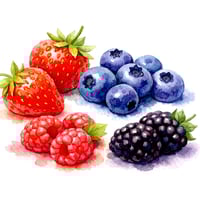
Store berries unwashed in the refrigerator in a breathable container lined with a paper towel. Wash just before eating to prevent excess moisture and mold.

Citrus
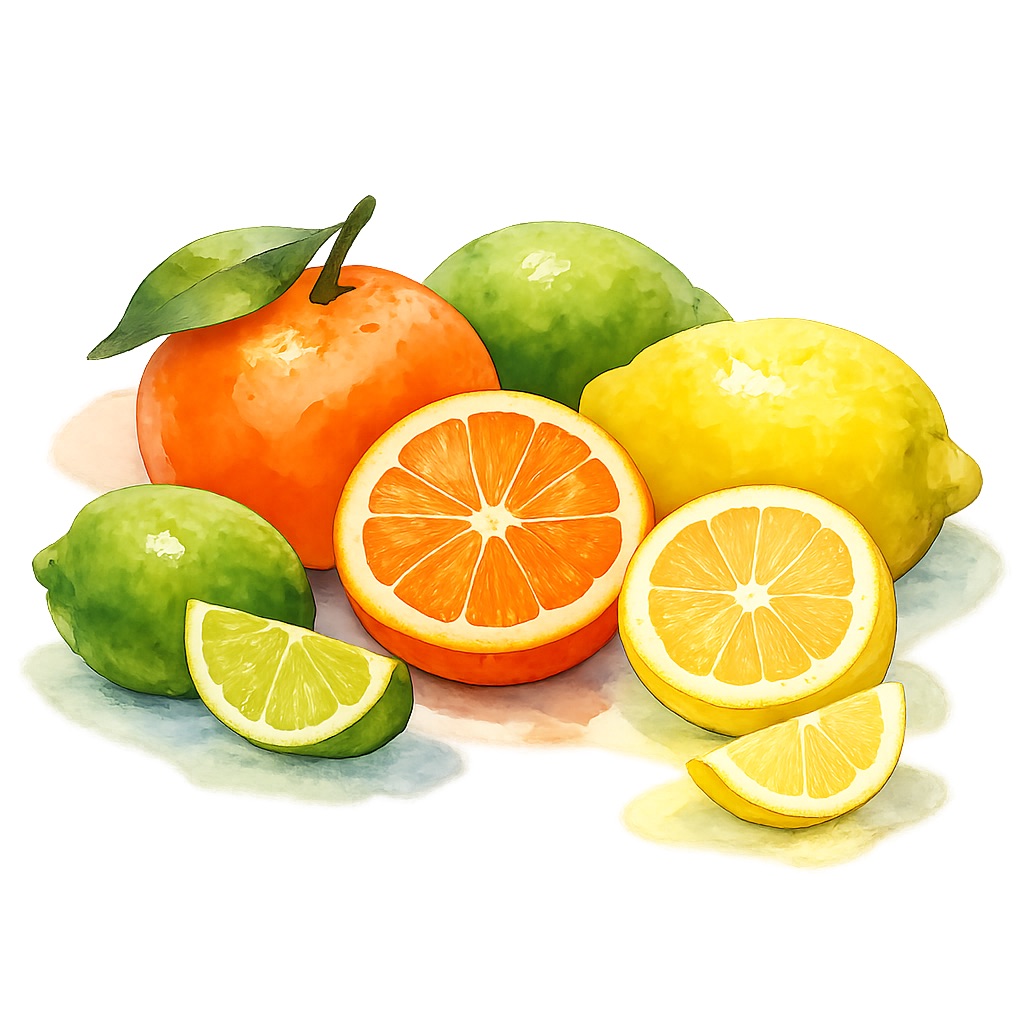
Citrus can stay at room temperature for up to one week, but refrigeration extends freshness up to three weeks. Keep them dry and loosely stored for best results.

Avocados
Let avocados ripen at room temperature, then refrigerate once they are soft to slow further ripening. If cut, store with the pit and wrap tightly to reduce browning.

Pears
Allow pears to ripen at room temperature, then move them to the refrigerator once they reach your preferred softness to extend their freshness.

Apples
Store apples in the refrigerator to keep them crisp and fresh for up to three weeks. Keeping them cold slows ripening and helps preserve nutrients.
Weekly Recipes
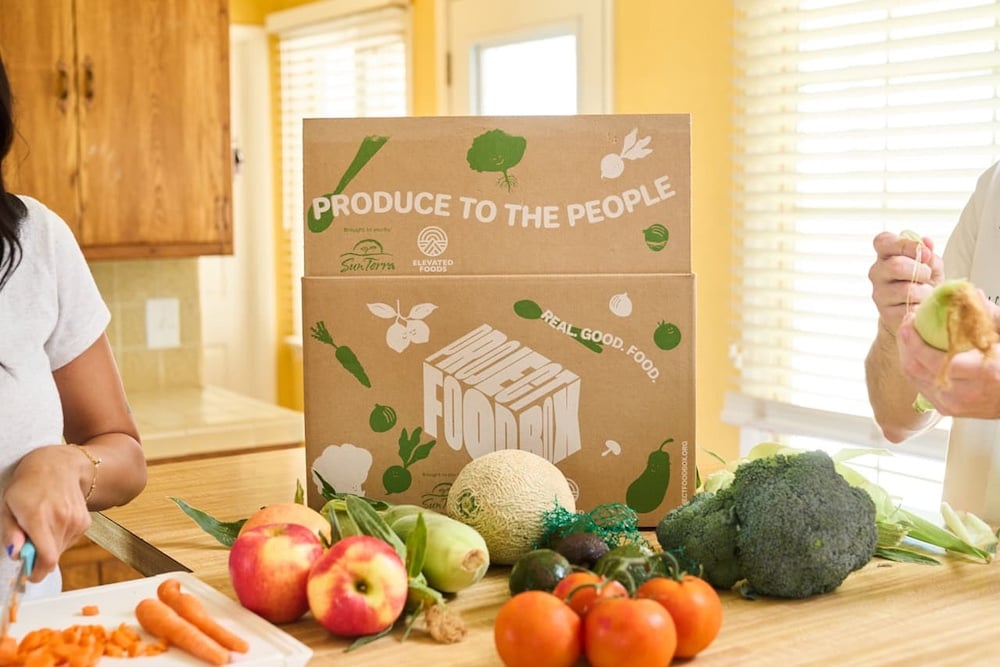
Sign up for free healthy recipes to help you make the most of your weekly deliveries.
Vegetable Storage Guide
Vegetables are the foundation of every Project FoodBox — rich in fiber, vitamins, and protective plant compounds that support heart health, blood sugar balance, and overall wellness. Proper storage helps maintain their texture, flavor, and nutritional value throughout the week. Some vegetables prefer the refrigerator, while others last longer in a cool, dark pantry. Use the guidance below to keep your produce fresh and ready for healthy meals.
Leafy Greens
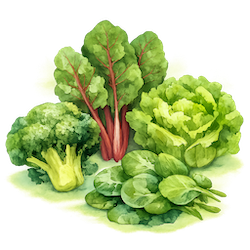
Wash and dry thoroughly, then store in an airtight container lined with a paper towel to absorb excess moisture. Keeping greens dry helps prevent wilting and spoilage.
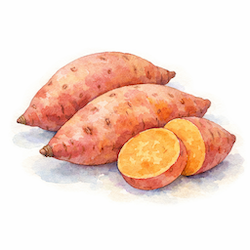
Sweet Potatoes
Store sweet potatoes in a cool, dark place with good ventilation. Avoid refrigeration, as cold temperatures can affect their texture and flavor.
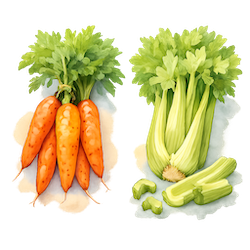
Carrots & Celery
Store carrots and celery in a container of water in the refrigerator to keep them crisp. Change the water every few days to maintain freshness.
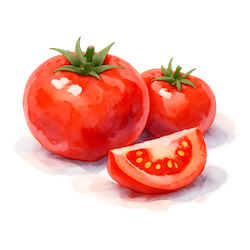
Tomatoes
Keep tomatoes at room temperature, away from direct sunlight, and use them within a few days for the best flavor. Refrigeration can dull their taste and alter their texture.
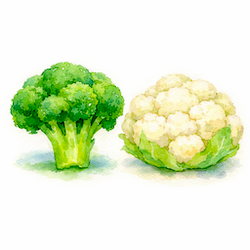
Broccoli & Cauliflower
Store in a loose plastic bag in the refrigerator and avoid washing until ready to use. Excess moisture can cause premature spoilage.
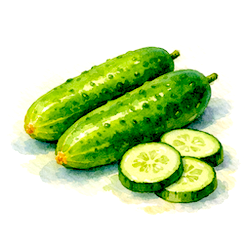
Cucumbers
Keep cucumbers in the refrigerator crisper drawer, away from ethylene-producing fruits like apples and bananas. Storing them separately helps prevent softening and bitterness.
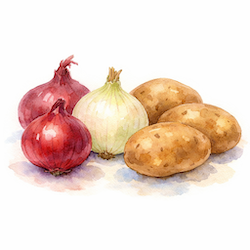
Onions & Potatoes
Store onions and potatoes separately in a cool, dark, dry place with airflow. Keeping them apart helps prevent sprouting and extends shelf life.
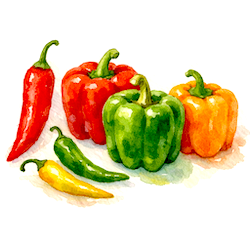
Peppers
Store peppers in the refrigerator crisper drawer in a perforated bag. Keep them dry and unwashed until ready to use.
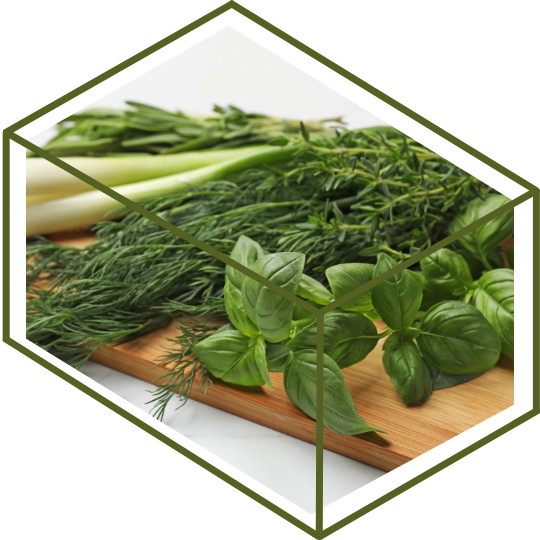
Herb Care
Fresh herbs add flavor, aroma, and powerful antioxidants to your meals without the need for added salt or heavy sauces. They are especially valuable for members following cardiac or low-sodium nutrition plans, helping enhance taste while supporting heart health. Because herbs are delicate, proper storage makes a significant difference in how long they last and how vibrant they remain. With a few simple techniques, you can extend freshness and get the most flavor from every bundle in your Project FoodBox.
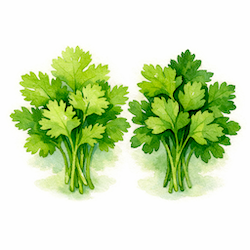
Cilantro & Parsley
Trim the stems and place upright in a glass of water in the refrigerator. Loosely cover with a plastic bag and change the water every few days.
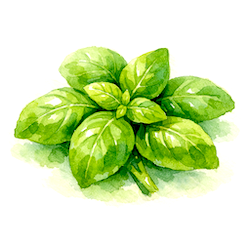
Basil
Store basil at room temperature in a glass of water, like fresh flowers. Keep it away from cold air, and change the water daily.
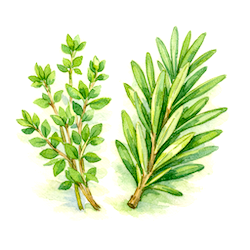
Thyme & Rosemary
Wrap thyme in a slightly damp paper towel and place it in an airtight container in the refrigerator. This helps prevent drying while reducing excess moisture.

Mint & Dill
Store dill and mint upright in a glass of water in the refrigerator and cover loosely. Refresh the water every few days to extend its life. Mint can also be be wrapped in a damp paper towel and stored in a resealable bag in the fridge.
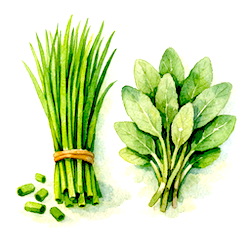
Sage & Chives
Wrap chives and sage in a slightly damp paper towel and store in an airtight container in the refrigerator. Keep them dry but not dehydrated to maintain texture and flavor.
When in Doubt, Freeze It!
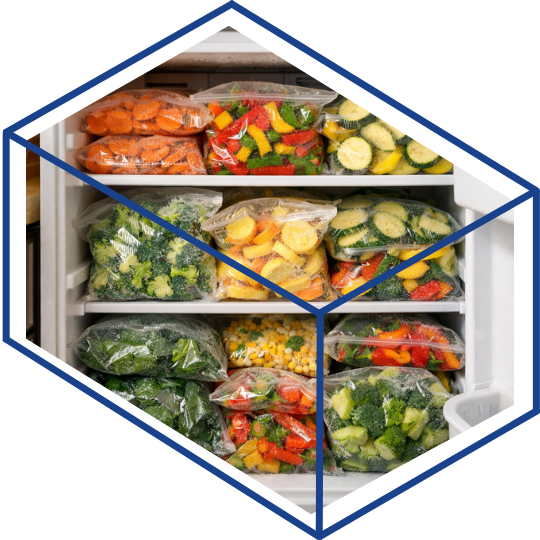
When produce begins to soften or you realize you won’t use it in time, freezing is a simple way to preserve both nutrients and value. Many fruits and vegetables from your Project FoodBox — including berries, bananas, spinach, kale, bell peppers, broccoli, mango, and peaches — freeze well and can be used later in smoothies, soups, and stir-fries. Freezing helps reduce food waste while extending the life of seasonal ingredients.
How to Freeze Produce Properly:
- Wash and dry produce thoroughly.
- Chop into usable portions for future meals.
- Spread pieces in a single layer on a baking sheet and freeze until solid.
- Transfer to airtight freezer bags or containers to prevent freezer burn.
- Label with the date and use within several months for best quality.