Case Study: Produce Prescriptions for Older Adults

Supporting Senior Health Through Food: A Los Angeles City Department on Aging Collaboration

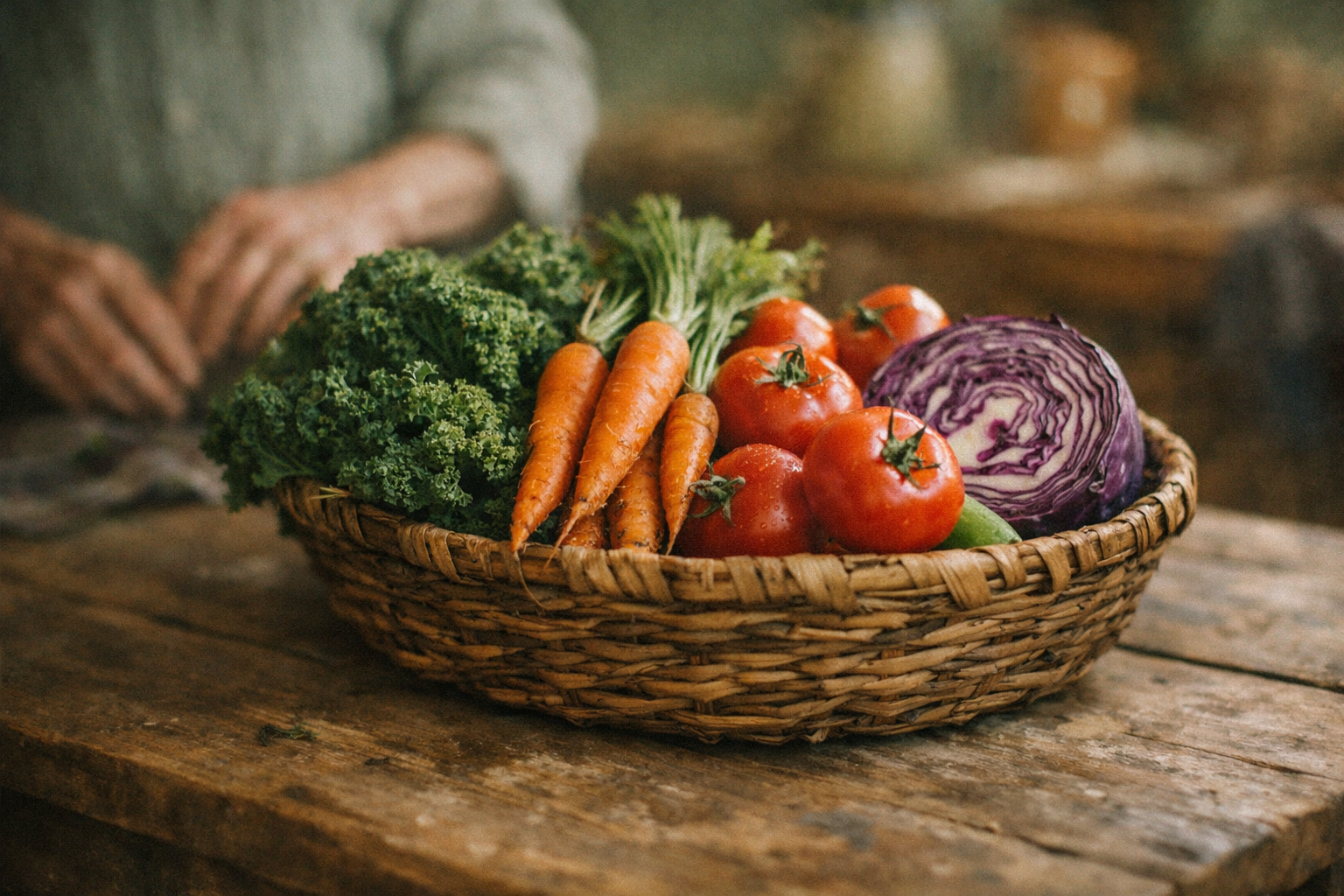
Wooden Table Overflowing With Vegetables In Warm Lighting-1

By the numbers

1,170

Total Seniors Served

6,571

FoodBoxes Delivered

97%

Consumed All or Most of Their Box

91%

Reported Improved Health

{content=

Los Angeles Skyline Night Documentary Photo-1

What Made It Work

Infrastructure alignment. Senior centers already have the logistics, staff relationships, and participant trust. Project FoodBox brought the supply chain. The combination proved operationally durable across five months and 19 locations.

Appropriate scale entry. Starting with three of nine Nutrition Directors created a contained pilot with clear expansion potential. It reduced institutional risk while generating outcome data sufficient to justify continued and expanded funding.

State-level viability. The program has been approved for renewed state funding beginning July 2026 — a meaningful validation signal. Programs that depend on one-time philanthropic grants face structural durability questions; MOCA-funded models do not.


, icon={alt=null, src=null}, image={alt=null, src=null}, link={url={type=EXTERNAL, content_id=null, href=, href_with_scheme=}, open_in_new_tab=false, no_follow=false, sponsored=false, user_generated_content=false, rel=}}

Los Angeles Skyline Night Documentary Photo-1

What Made It Work

Infrastructure alignment. Senior centers already have the logistics, staff relationships, and participant trust. Project FoodBox brought the supply chain. The combination proved operationally durable across five months and 19 locations.

Appropriate scale entry. Starting with three of nine Nutrition Directors created a contained pilot with clear expansion potential. It reduced institutional risk while generating outcome data sufficient to justify continued and expanded funding.

State-level viability. The program has been approved for renewed state funding beginning July 2026 — a meaningful validation signal. Programs that depend on one-time philanthropic grants face structural durability questions; MOCA-funded models do not.


Executive Summary

In November 2025, the Los Angeles City Department on Aging invited Project FoodBox to present its medically supportive food program to the city's Nutrition Directors. Three of nine directors elected to participate, funding the program through MOCA (Meals on Congregate and Community Aging) allocations to expand fresh produce access for older adults across the city.

Over five months, Project FoodBox delivered 6,571 food boxes to 1,170 seniors across 19 senior centers in Los Angeles. A post-program participant survey documented near-universal improvements in food utilization, health self-assessment, and grocery spending. The program is currently slated for continued state funding, with a planned relaunch in July 2026.

Senior malnutrition: the diagnostic gap

Among older adults admitted to U.S. hospitals

At risk of malnutrition upon admission
50%
Actually receive a formal diagnosis
8%

42 percentage points go undiagnosed

Sources: NC Medical Journal (2023); Administration for Community Living (ACL)

Problem

Older adults managing chronic conditions face compounding barriers to consistent access to fresh food: fixed incomes, reduced mobility, limited transportation, and the physical demands of grocery shopping. Traditional congregate meal programs provide scheduled nutrition, but don't always address the gap between meals — or the need for fresh, whole foods that participants can prepare at home on their own schedule.

Approach

The Los Angeles City Department on Aging identified an opportunity to extend produce access through the infrastructure already serving seniors: the senior center network. By routing Project FoodBox distributions through 19 participating centers, the program met seniors where they already had trust and routine.

The program was designed around three core principles:

  1. Trusted distribution channels: Senior centers served as the distribution points, reducing friction and leveraging existing relationships with participants.
  2. Whole food focus: Each box delivered fresh fruits, vegetables, and pantry items — food designed to complement existing meal programming, not replace it.
  3. Scalable partnership model: The program was structured to grow incrementally, with three of nine Nutrition Directors piloting the model and the remaining six as a natural expansion pathway.

Impact

Post-program participant surveys reflected strong, consistent outcomes across all measures.

Food Utilization

97% of participants consumed all or most of their Project FoodBox delivery. Food waste was negligible — a meaningful signal in a program serving older adults on fixed incomes with limited storage capacity.

Health Outcomes

91% of participants reported improved health during the program. While self-reported, this finding aligns with a body of research documenting the health effects of consistent fresh produce access in aging populations, particularly for those managing diet-sensitive chronic conditions.

Program Satisfaction

100% of participants said they would recommend Project FoodBox to others. This is not a common result in participant satisfaction research; it reflects both the perceived value of the food and the quality of delivery and communication through the senior center model.

Economic Relief

88% of participants reported spending less on groceries during the program. For seniors on fixed incomes, this is a direct quality-of-life signal — reduced food spend frees budget for medication, utilities, and other necessities.

About Project FoodBox

Project FoodBox delivers medically tailored produce boxes directly to individuals managing chronic conditions, through partnerships with managed care organizations, community-based programs, and government agencies. The program operates in California and New York, with an outcomes record spanning Medi-Cal, Medicaid, and community-funded models.