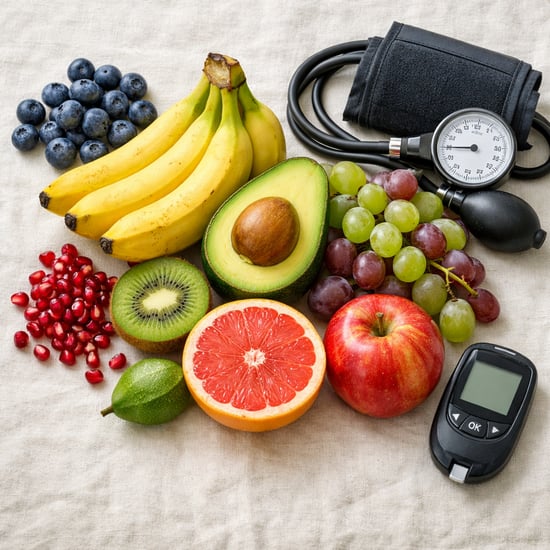
A recent feature from MSN Health — 9 Fruits That Show Food Really Is Medicine — walks through nine common fruits and the clinical evidence behind each one. The piece is worth reading. But for members of Project FoodBox and the clinicians who work alongside them, it also lands differently. These aren't theoretical foods. Many of them show up regularly in the medically tailored produce boxes we deliver to Medi-Cal and Medicaid members managing diabetes, hypertension, cardiac disease, and renal conditions. The science behind each fruit is the same science that guides how our boxes are built.
The Food as Medicine movement is not a metaphor. Peer-reviewed research from our partnership with UC Irvine Health found that consistent access to medically tailored produce was associated with an average A1C reduction from 8.5% to 7.5% — a meaningful clinical outcome — alongside a 40% reduction in diabetes complication risk. What the MSN article makes plain is that the mechanism is in the food itself.
Why Seniors, And Why Now
Several fruits highlighted in the article address the exact conditions Project FoodBox is designed to support. Bananas and avocados both carry significant potassium content, which supports blood pressure regulation — a direct concern for members in our Low Sodium and Cardiac box categories. Avocados also provide monounsaturated fats associated with favorable cholesterol profiles, with research pointing to measurable reductions in LDL cholesterol among regular consumers.
Blueberries, pomegranates, and grapes are rich in polyphenols that research has connected to cardiovascular protection — including modulation of blood pressure, oxidative stress reduction, and support for vascular endothelial function, as documented in peer-reviewed cardiovascular literature. Kiwis, often overlooked, deliver more vitamin C per serving than oranges and contain an enzyme called actinidin that aids protein digestion. Studies have also linked regular kiwi consumption to improvements in sleep onset — relevant for members managing stress-related chronic conditions.
Bananas' resistant starch — present in slightly underripe fruit — feeds beneficial gut bacteria, a mechanism now understood to play a role in metabolic regulation. Grapefruit's high water content and plant compounds support hydration and offer value within a balanced dietary pattern, though members on certain medications should confirm compatibility with their care team. The article's overview of pomegranates, which notes ongoing research into their role in wellness rather than disease treatment, reflects appropriate epistemic care — the kind of sourcing discipline this space requires.
Access Is the Variable Medicine Can't Prescribe Alone
The clinical case for these fruits is increasingly well-documented. What doesn't appear in the MSN article — because it isn't its subject — is the access problem. Members managing chronic conditions on Medi-Cal or Medicaid incomes don't always have reliable access to fresh produce, and the gap between knowing what to eat and being able to afford it consistently is where most nutrition interventions fall short.
Project FoodBox's program is structured around that gap. Registered dietitians design each box type — Diabetes, Cardiac, Low Sodium, Renal, Gluten-Free, Immunity — to match the clinical profile of the member receiving it, delivered free of charge. Data from our 2025 outcomes survey, drawn from more than 3,000 member responses, showed a statistically significant reduction of 1.17 fewer fast-food meals per week and a 0.51-point decrease in weekly symptom frequency. Dietary improvements held through program completion, not just at intake.
Since 2020, Project FoodBox has delivered more than 97 million pounds of produce to over 5 million people. The fruits described in the MSN article aren't novelties — they're the kind of produce our logistics and technology network is designed to move from local farms to the people who need it most, at the scale that actually changes population health outcomes.
If this article clarifies why produce prescription matters clinically, share it with a caregiver, family member, or clinician — and point them to projectfoodbox.org to learn more about how the program works.