

TL;DR
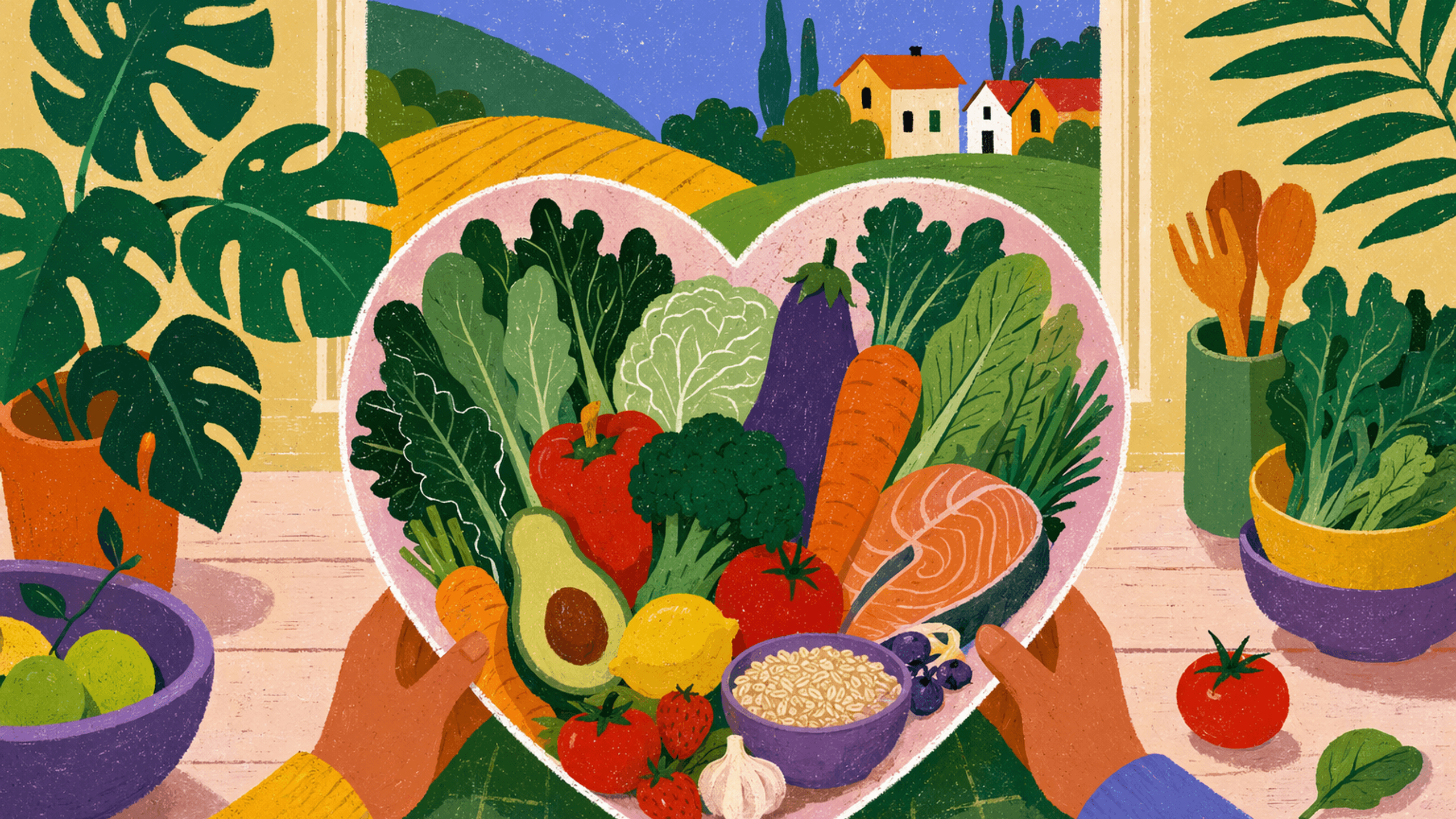
Eating heart healthy is less about miracle foods and more about repeatable choices. We recommend building meals around plants and affordable proteins, comparing food labels, reducing sodium gradually, and using convenient staples. Food supports cardiovascular health alongside medication, movement, sleep, tobacco avoidance, stress management, and clinical care.
Table of Contents
- What does “heart healthy” actually mean?
- What should a practical heart-healthy plate include?
- Which affordable foods support heart health?
- How do you read a food label for heart health?
- How can you reduce sodium without losing flavor?
- What could a flexible seven-day heart-healthy meal plan look like?
- How should heart-healthy eating change with diabetes, kidney disease, or other conditions?
- Why is food access part of heart-health care?
- Heart-healthy eating questions, answered without food myths
- FAQ
What does “heart healthy” actually mean?
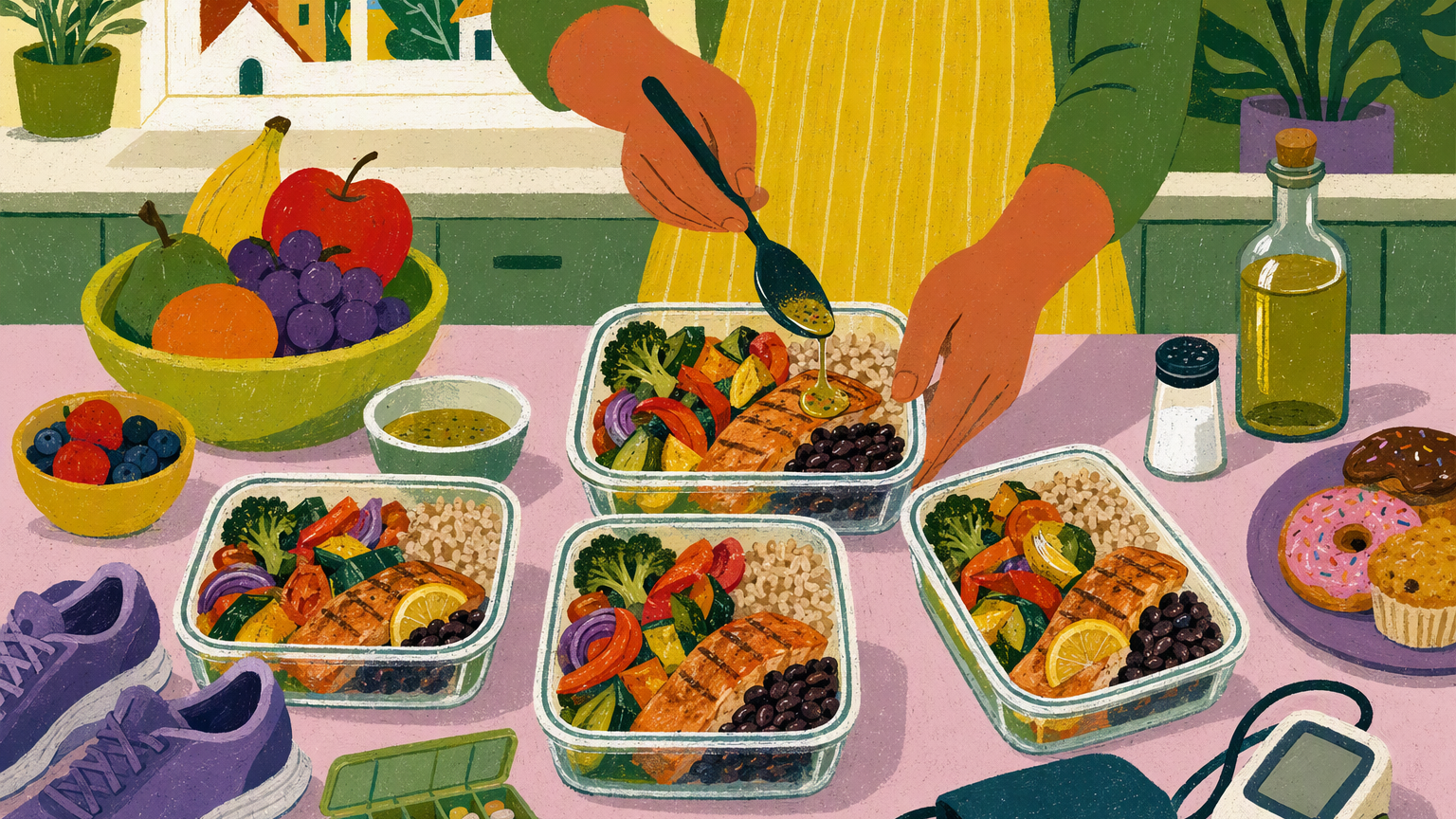
A heart-healthy eating pattern supports blood pressure, cholesterol, blood sugar, and cardiovascular health over time. It emphasizes vegetables, fruit, fiber-rich carbohydrates, affordable proteins, and unsaturated fats while moderating sodium, saturated fat, and added sugar.
No individual food heals the heart. The overall pattern matters. Food also works alongside prescribed medication, physical activity, sleep, tobacco avoidance, stress management, and appropriate clinical care.
Why the overall pattern matters more than a viral food list
Miracle-food lists turn complex health needs into misleading rules. Beans can contribute to a nutritious diet, but they do not reverse cardiovascular disease by themselves.
We focus instead on habits people can repeat: adding vegetables to familiar meals, choosing fiber-rich grains, and comparing sodium between similar products. DASH and Mediterranean-style patterns allow flexibility rather than dividing every food into “good” or “bad.” Our Mediterranean diet food list offers practical ways to apply that approach.
Which health measures can the pattern support?
Heart-healthy food choices may help with blood pressure, LDL cholesterol, triglycerides, blood glucose, and weight management. Results vary by health history, medication, access to food, and other factors. Nutrition cannot replace diagnosis, laboratory monitoring, or individualized treatment.
What should a practical heart-healthy plate include?
A flexible plate starts with vegetables or fruit, then adds a whole grain or other fiber-rich carbohydrate and an affordable protein. Portions can change with appetite, culture, available foods, and medical needs.
Fiber is the part of plant food the body does not fully digest. It supports digestion and fullness, while some types can contribute to cholesterol and blood sugar management.
Use the “protein + plant” frame
We use “protein + plant” as a simple meal-building guide:
- Breakfast: Oatmeal with fruit and unsalted nuts
- Lunch: Tuna with white beans and greens
- Dinner: Lentils with frozen vegetables and brown rice
- Snack: Apple with peanut butter or vegetables with hummus
Shelf-stable, canned, and frozen ingredients all count.
Make simple upgrades, not brand-new routines
Add frozen vegetables to pasta, soup, eggs, or rice. Replace some ground meat in tacos, chili, or casseroles with beans or lentils. Choose water or an unsweetened drink more often when practical.
One sweetened drink or convenience meal does not undo an otherwise supportive pattern.
Which affordable foods support heart health?
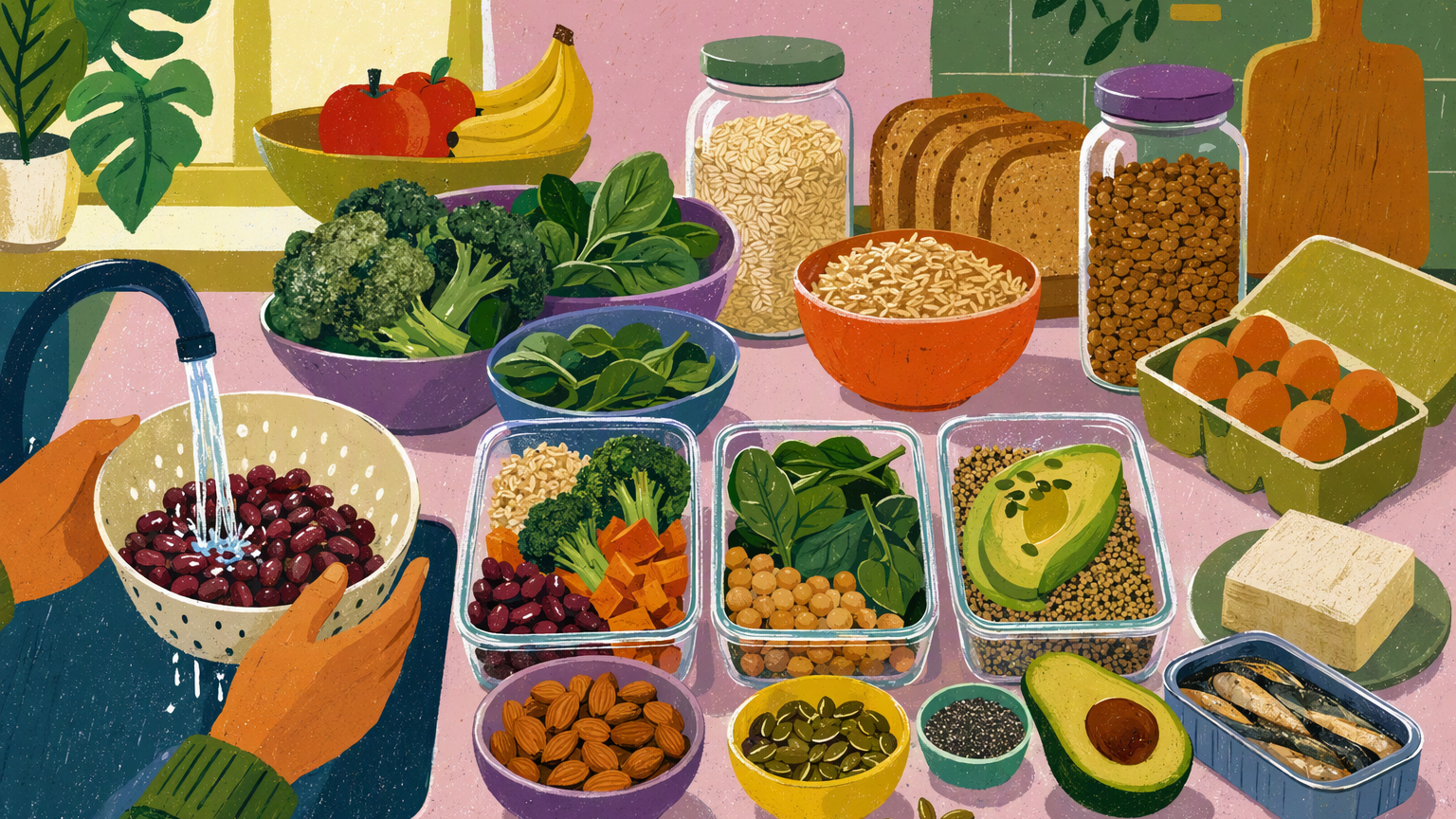
We organize a heart healthy grocery list by function:
- Produce: Frozen broccoli, spinach, mixed vegetables, bananas, apples, or seasonal produce
- Whole grains: Oats, brown rice, whole-grain bread, corn tortillas, or whole-wheat pasta
- Proteins: Beans, lentils, canned fish, eggs, peanut butter, poultry, or tofu
- Unsaturated fats: Plant oils, seeds, avocado, fish, and unsalted nuts
Store brands and shelf-stable foods can be nutritious. Choose ingredients that work across several meals to limit cost and waste.
Can canned, frozen, and packaged foods be heart healthy?
Yes. Frozen produce, plain oats, canned beans, and canned fish can make balanced meals more accessible. Compare labels for sodium, saturated fat, and added sugar. Drain and rinse canned beans or vegetables when possible.
What do healthy fats mean in everyday language?
“Healthy fats” usually means unsaturated fats found in fish, nuts, seeds, avocado, and plant oils. These generally fit a heart-healthy pattern better than frequent sources of saturated fat.
Fat-free eating is not the goal. A low-fat product can still be high in sodium or added sugar, so we recommend reading the full Nutrition Facts panel.
How do you read a food label for heart health?
Check the serving size first. Similar packages may list different portions, which can make a direct comparison misleading.
Then review four checkpoints:
- Sodium
- Saturated fat
- Fiber
- Added sugar
Individual targets may differ based on medical history, medications, energy needs, or clinician guidance. Our guide to reading food labels for your health needs explains the process in more detail.
Compare sodium and saturated fat first
When comparing soups, bread, canned vegetables, or frozen meals, calculate what will actually be eaten. A lower number is not necessarily better if it represents a much smaller serving.
Then check fiber and added sugar
Between similar breads, cereals, or grains, fiber can help identify a more useful whole-grain option. Compare products in the same category rather than relying on terms such as “multigrain” or “light.”
Added sugar is introduced during processing or preparation. It differs from sugar occurring naturally in plain fruit or milk.
How can you reduce sodium without losing flavor?
Sodium reduction is often easier through gradual changes than an immediate ban on salt. Compare regular store-brand products before assuming a specialty item is necessary. Draining and rinsing canned beans and vegetables can also remove some sodium.
Build flavor beyond the salt shaker
Use lemon, lime, vinegar, garlic, onion, ginger, herbs, pepper, paprika, cumin, or salt-free blends. Browning and roasting deepen flavor, while citrus or vinegar adds brightness.
For a simple bowl, combine frozen broccoli, brown rice, and rinsed beans. Finish it with olive oil, lemon, garlic, and paprika.
Watch for sodium beyond obviously salty foods
Sodium can accumulate through bread, sauces, soups, deli meats, seasoning packets, and frozen entrées. These foods do not need to be universally forbidden. Compare brands, consider serving size and frequency, and pair them with lower-sodium ingredients.
What could a flexible seven-day heart-healthy meal plan look like?
This sample plan reuses ingredients to help control cost and waste.
| Day | Breakfast | Lunch | Dinner | Snack |
|---|---|---|---|---|
| 1 | Oats, banana, nuts | Bean-and-corn bowl | Lentil chili | Apple and peanut butter |
| 2 | Whole-grain toast, peanut butter | Leftover chili | Vegetable pasta with beans | Yogurt, if appropriate |
| 3 | Overnight oats and fruit | Tuna-white-bean salad | Fish, rice, frozen broccoli | Unsalted nuts |
| 4 | Oats with berries | Leftover rice bowl | Bean tacos with vegetables | Vegetables and hummus |
| 5 | Toast and fruit | Lentil soup | Chicken or tofu stir-fry | Fruit |
| 6 | Yogurt, oats, fruit | Canned salmon toast | Tomato-bean pasta | Peanut butter toast |
| 7 | Peanut butter oatmeal | Leftover soup | Rice, beans, mixed vegetables | Unsalted popcorn |
This is a template, not an individualized prescription. For more structure, see our practical seven-day heart-healthy guide.
Low-prep breakfasts and lunches
Keep oats, whole-grain bread, peanut butter, canned beans, and fish available when possible. Frozen fruit can replace fresh, while microwaveable grain pouches can replace stovetop rice. Cooking extra at dinner also creates an easy lunch.
Repeatable dinners and snacks
Rotate lentil chili, bean tacos, vegetable pasta, fish with frozen vegetables, and rice bowls. Change the seasonings for variety. Simple snacks include fruit with peanut butter, unsalted nuts, yogurt when appropriate, or vegetables with hummus.
How should heart-healthy eating change with diabetes, kidney disease, or other conditions?
General advice may conflict with individualized limits for potassium, phosphorus, carbohydrates, fluids, vitamin K, food safety, or medication interactions. We recommend working with a registered dietitian when medical nutrition therapy is available.
Medication and supplements should not be changed based on a general article. A clinical plan should account for diagnoses, laboratory results, medications, and food access.
Managing blood pressure, cholesterol, and blood sugar together
Fiber-rich carbohydrates, plant or lean proteins, and unsaturated fats may support overlapping goals. However, carbohydrate needs and glucose responses vary, especially for people using insulin or glucose-lowering medication. Clinical monitoring helps the care team decide whether changes are needed.
Why is food access part of heart-health care?
Nutrition education cannot solve food insecurity. Advice is not enough when a household lacks money, transportation, storage, cooking equipment, energy, or stable housing.
Food-as-medicine services can help turn a clinical recommendation into food a household can prepare. Project FoodBox can bridge the care plan and the home, but food delivery does not replace treatment or guarantee outcomes.
What can medically tailored food boxes provide?
Medically tailored food boxes can reflect health needs, household circumstances, cultural preferences, preparation capacity, and benefit requirements. Delivery may also reduce transportation, mobility, caregiver, or geographic barriers.
Which outcomes matter to clinicians and health plans?
Programs may assess clinical measures, participation, healthcare use, costs, care coordination, referral completion, and documentation. We believe any outcome claim should clearly describe the timeframe, population, sample size, comparison method, and evaluation process.
Heart-healthy eating questions, answered without food myths
Patterns and access matter more than perfect choices. We suggest starting with one realistic change, such as upgrading a meal, comparing two labels, or discussing personal targets with a care team.
What is the healthiest thing for your heart?
There is no single healthiest food or action. A sustainable eating pattern, appropriate medical care, regular movement, sufficient sleep, and tobacco avoidance provide broader support.
What are three foods cardiologists say not to eat?
There is no universal three-food ban. General guidance focuses on limiting patterns high in sodium, saturated fat, and added sugar while considering portions and frequency. Rigid lists can create shame without addressing cost or access.
What are the three foods that heal your heart?
No foods heal heart disease. Beans or lentils, oats, and vegetables can contribute fiber and useful nutrients to a supportive pattern, but they are ingredients—not cures.
FAQ
Can I eat heart-healthy using mostly canned and frozen foods?
Yes. Frozen produce, canned beans, canned fish, plain oats, and whole-grain staples can support balanced meals. Compare labels, choose lower-sodium options when practical, and rinse canned beans or vegetables.
How quickly will heart-healthy eating improve my numbers?
The timeframe depends on the measure, starting point, medication, consistency, and medical condition. Work with the care team to set an appropriate monitoring schedule rather than treating a short-term change as proof that one food worked.
Is a low-fat diet automatically heart healthy?
No. The type of fat and the complete product matter. Unsaturated fats can fit a heart-healthy pattern, while low-fat packaged foods may still contain substantial sodium or added sugar.
What if heart-healthy food costs more than my budget allows?
Start with beans, lentils, oats, frozen vegetables, peanut butter, brown rice, and store-brand canned fish. Reuse ingredients across meals. If food remains inaccessible, ask a clinician, insurer, or community organization about food benefits and delivery support.
Can food replace blood pressure or cholesterol medication?
No. Food can support blood pressure and cholesterol management, but it does not replace prescribed medication, diagnosis, or monitoring. Discuss treatment changes with the prescribing clinician.