How to Store and Prep Your Project FoodBox Produce
A Project FoodBox delivery arrives with 15 to 18 pounds of fresh produce in California and up to 25 pounds of mixed groceries in New York, all selected by registered dietitians to match a member’s condition. That volume only translates into better health outcomes if the food gets eaten before it spoils. A recent set of storage and prep guidelines from Have A Plant, the produce-industry education platform behind fruitsandveggies.org, lays out small habits that extend shelf life and cut the time it takes to turn a box into a meal.
Storage Starts Before the Box Is Opened
Refrigerator crisper drawers usually have a vent that controls airflow, and that vent matters more than most people realize. Produce that releases ethylene gas as it ripens, including avocados and pears, holds up better with the vent closed, while ethylene-sensitive items keep longer with the vent open. Sorting a delivery by this distinction within the first day takes a few minutes and meaningfully changes how long the box lasts. Members managing diabetes, renal conditions, or cardiac disease often plan meals around what is freshest, so a few extra days of usable produce can directly support adherence to a tailored eating plan.
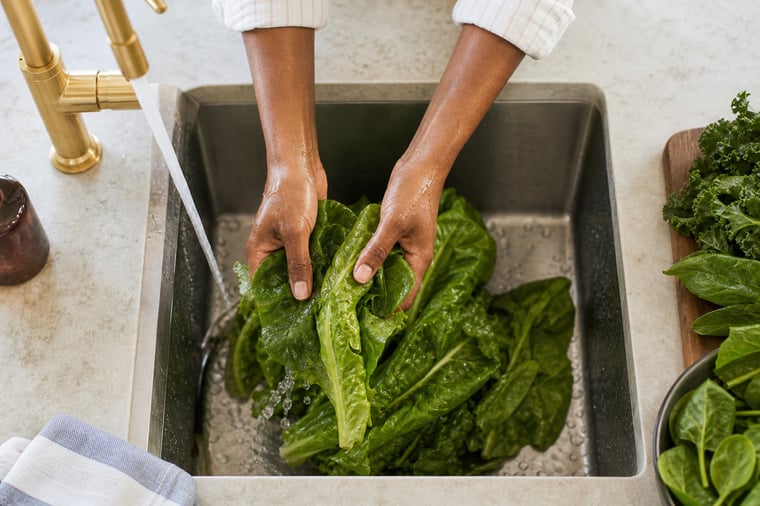
Leafy greens need attention before they go into the crisper at all. Rinsing in two or three changes of cold water until it runs clear removes soil left over from harvest, and drying the leaves in a salad spinner before storing them with a dry paper towel in a loosely closed bag keeps them from turning slimy. Avocados that are only half used can go back in the refrigerator with the seed returned to its spot and the halves wrapped tightly in plastic and foil, which slows browning enough to use the second half a day or two later.
Prep Habits That Lower the Barrier to Cooking
Time, not motivation, is often the real obstacle between a delivered box and a finished meal. Cutting celery into snack-sized stalks and storing them in a water bath keeps the crunch intact for grab-and-go use in hummus or nut butter. Berries last roughly twice as long when stored in a sealed glass jar in the refrigerator rather than their original container, and potatoes cut for a recipe can sit submerged in water overnight without browning, which means a member can prep a renal- or cardiac-friendly dinner the night before a clinic appointment or a long work shift.
These habits matter at scale. Project FoodBox has delivered more than 97 million pounds of produce and reached more than 5 million lives since 2020. In peer-reviewed research conducted with UC Irvine Health, members enrolled in the program saw average A1C levels drop from 8.5% to 7.5%, alongside a 40% reduction in diabetes complication risk. A 2025 program outcomes survey of more than 3,000 members found that dietary and well-being gains held through the end of the program rather than fading once participation ended, which suggests that what members do with the food between deliveries is part of why the results last.
Freshness Is Part of the Intervention
Food as medicine only works if the food gets used. Storage and prep are not side tips; they are the mechanism that connects a delivered box to the clinical outcomes Project FoodBox is built to produce. A member who knows which drawer vent to close, how to rinse greens properly, and how to keep half an avocado from browning is more likely to eat the full box before the next one arrives.
Share this article with a caregiver, family member, or clinician who could use a few practical ways to make fresh produce last longer.