The Rockefeller Foundation made headlines this month with a sweeping perspective piece on the future of food — and buried inside the optimism is a number worth sitting with. A new Rockefeller Foundation report estimates that Food is Medicine programs could generate more than $45 billion in state economic activity, create 316,000 jobs, and deliver $5.6 billion in new revenue to America's small and mid-sized farms. Those projections reflect what the model can do at the national scale. Project FoodBox has been running the same model at the member level since 2020 — in California's Medi-Cal managed care system and more recently across Medicaid-covered communities in New York.
What the Programs Actually Do
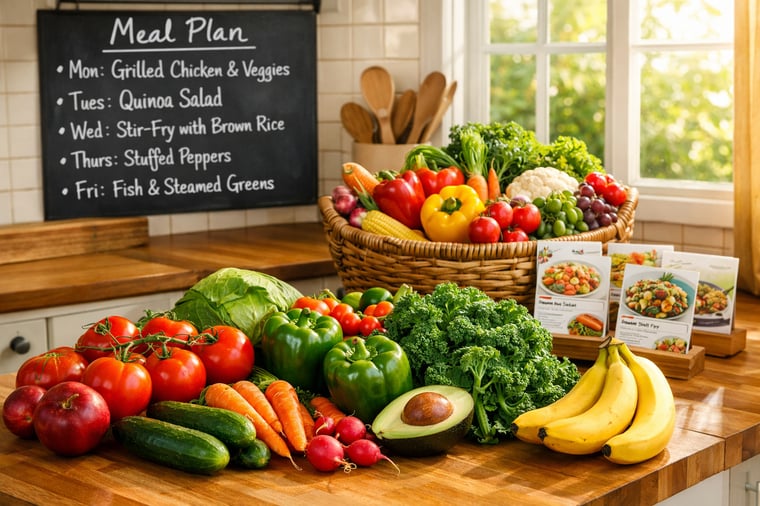
The Rockefeller Foundation's Food is Medicine initiative centers on programs that provide produce prescriptions, medically tailored meals, and fresh groceries to people managing cardiovascular disease, diabetes, obesity, and other diet-related chronic conditions. Project FoodBox delivers exactly that — weekly boxes of 15–18 pounds of fresh fruits and vegetables, designed by registered dietitians and matched to specific health conditions, including diabetes, hypertension, cardiac disease, renal conditions, and immune support. Members in California receive boxes through Medi-Cal managed care plans. Members in the Bronx and across New York receive them through Medicaid-covered partnerships. In both markets, the box arrives at the door at no cost to the member.
Since 2020, Project FoodBox has delivered tens of millions of pounds of fresh produce and positively impacted over 5 million lives. The operational footprint spans multiple managed care plans and dozens of counties across two states — each with distinct populations, languages, and clinical profiles that shape how boxes are tailored and how members are supported.
What the Data Shows
An outcomes study drawing on more than 3,000 survey responses collected between August and October 2025 — found that members completing the full 12-week program reported eating 1.17 fewer fast-food meals per week on average (p < .001) and a 0.51-point reduction in weekly symptom frequency on a 10-point scale (p < .01). Higher fruit and vegetable intake correlated with better well-being and confidence in managing health (r ≈ .47–.68). Dietary patterns and well-being scores held steady through program completion, which matters — a short-term behavioral uptick that fades is not a health outcome.
A UC Irvine Health collaboration adds clinical specificity. Latino patients with uncontrolled diabetes who participated in a combined nutrition education and produce delivery program saw average A1C fall from 8.5% to 7.5% over five months, alongside a 40% reduction in complication risk. Those results came from a structured, culturally tailored intervention — not a generalized wellness program.
Why the Managed Care Context Matters
The Rockefeller Foundation notes that more than half of Americans have a diet-related health condition — a figure that applies with particular precision to the Medi-Cal and Medicaid populations. These are members with elevated chronic disease burden, limited food access, and ongoing contact with the healthcare system. They are also the members whose care costs — hospitalizations, specialty referrals, downstream interventions — are most directly affected by whether or not they eat well week to week.
Project FoodBox operates inside the California CalAIM framework, which funds medically tailored meals and produce benefits as part of integrated managed care. The New York program extends that same logic into Medicaid partnerships in the Bronx, where food insecurity and chronic disease rates track closely with what CalAIM was designed to address in California. Both programs sit inside the benefit structure of the health plans that bear those costs, which is what makes the Rockefeller Foundation's economic modeling so relevant. As COO Peter Wells has put it: "Nutrition is one of the most effective preventive health tools we have. It's a model that improves lives and reduces costs for the healthcare system."
Where This Goes
The Rockefeller Foundation's perspective calls for designing Food is Medicine programs to support local farmers, local producers, and local providers — building a consistent market for farm-fresh food. Project FoodBox sources from regional agricultural partners in both California and New York, reinforcing that supply chain logic in each market. The Rockefeller Foundation is working to demonstrate this model at a national policy level. Project FoodBox is demonstrating it one member, one box, one week at a time — across two of the largest Medicaid markets in the country.
The evidence base is no longer the obstacle. The next constraint is whether the institutions that fund and administer these programs are willing to scale what the data already supports.
Project FoodBox is a Food as Medicine program delivering free, medically tailored produce to Medi-Cal and Medicaid members in California and New York. Learn more at projectfoodbox.org.