Vitamin K1 and Lung Health: What the Research Shows
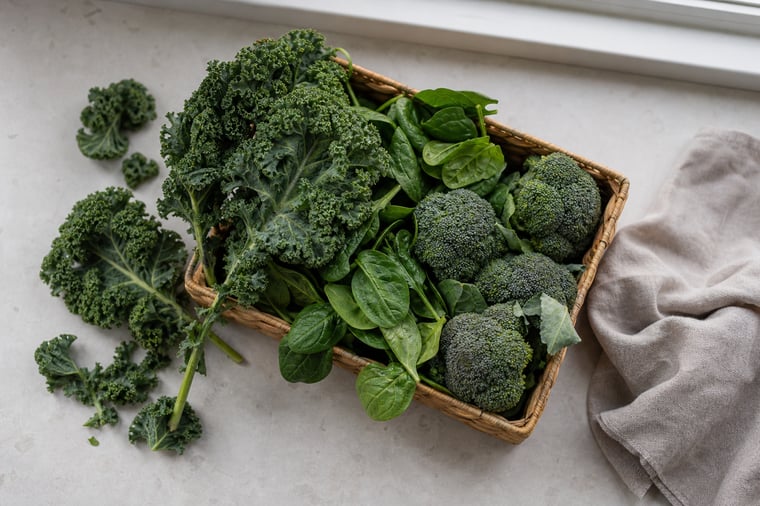
Researchers at Edith Cowan University in Australia followed more than 179,000 adults for over a decade and found that people who ate the most vitamin K1 had a 16% lower rate of chronic obstructive pulmonary disease (COPD) than those who ate the least, according to peer-reviewed findings published in the American Journal of Clinical Nutrition and reported by Nutrition Insight. Their lungs also held and moved air more effectively, a standard marker of respiratory function. Vitamin K1 comes primarily from leafy green vegetables like spinach, kale, and broccoli, which distinguishes it from vitamin K2, found mainly in meat, eggs, and dairy. The K2 form showed no meaningful link to lower COPD rates in the same study.
The researchers believe vitamin K1 activates a protein that protects the elastic fibers in lung tissue, the structures that allow lungs to expand and contract with each breath. When those fibers break down over time, breathing becomes harder. Study author Marc Sim noted that one additional serving of leafy greens a day, roughly one and a half to two cups, was an achievable way to raise K1 intake. The researchers also pointed out that leafy greens carry fiber and antioxidants alongside their vitamin K1, which may compound the benefit in ways a single nutrient cannot.
Diet quality is a determinant, not a detail
The study's authors were careful to note that a vitamin K1-rich diet does not offset the damage caused by smoking or environmental pollutants. Quitting smoking remains the single most effective step for lung health. But the finding fits a pattern that shows up across chronic disease research: consistent intake of specific whole foods, not supplementation or occasional advice, produces the outcomes that matter. That pattern is the premise Project FoodBox operates on. Through partnership with UC Irvine Health, participants managing diabetes through medically tailored produce boxes saw average A1C drop from 8.5% to 7.5%, alongside a documented 40% reduction in diabetes complication risk, peer-reviewed outcomes tied to sustained access to fresh produce rather than a single dietary change.
The infrastructure question is the one the K1 research indirectly raises: a household can only act on findings like these if fresh leafy greens are reliably in the kitchen. Project FoodBox has delivered more than 97 million pounds of produce to over 5 million people enrolled in Medi-Cal and Medicaid since 2020, tailored by registered dietitians to the conditions members are managing. In a 2025 program survey of more than 3,000 respondents, participants reported 1.17 fewer fast-food meals per week and a 0.51-point reduction in weekly symptom frequency, with those gains holding through the end of the program. Findings like the ECU study reinforce why that kind of consistent access is the mechanism, not a footnote to it.
What this means for your kitchen
None of this requires an overhaul. The research points to a single additional serving of leafy greens most days as a meaningful target, and it is a target worth tracking alongside whatever else your care team is monitoring. If you are managing a chronic condition and eligible for Project FoodBox, produce boxes already include vegetables that support this kind of consistent intake.