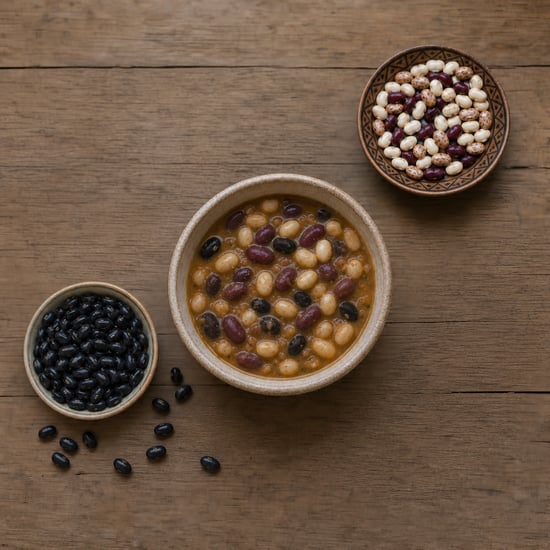
Most food as medicine research tests whether medically tailored meals improve outcomes. A new randomized trial asked a sharper question: does it matter whose food it is? The American Heart Association reported results from the MUTTON-HF study, the first randomized clinical trial to evaluate an Indigenous food as medicine intervention for cardiovascular health. Among 206 adults with heart failure receiving care through Indian Health Service sites in the Navajo Nation, those who received eight weeks of medically tailored meals built from traditional Navajo ingredients saw significantly fewer hospitalizations and emergency room visits than those on usual care.
What the trial found
Within 90 days of randomization, 40.6% of participants receiving the tailored meals experienced a hospitalization or emergency room visit, compared with 57.0% of those on usual care, a 28% relative reduction in risk. All-cause hospitalizations were cut by more than half, and heart failure-specific hospitalizations fell from 13.0% to 3.8%. Participants receiving the meals also lost an average of 6.3 pounds more than the control group and saw significant reductions in blood pressure. More than half of enrolled participants were food insecure at the study's start, which makes the size of the effect notable rather than incidental.
The meal design itself was the intervention's distinguishing feature. Researchers worked with Navajo dietitians, local farmers and ranchers, and a Native-owned kitchen to build recipes that met heart-healthy nutrition guidance while sourcing traditional ingredients from Native producers. The program also solved for a logistics problem specific to the Navajo Nation's geography, establishing distribution hubs, mini-hubs, and home delivery, and supplying microwaves, freezers, and propane-powered refrigeration to households without reliable electricity. The clinical result depended on that delivery infrastructure as much as on the recipes.
Why cultural fit changes the infrastructure question
The MUTTON-HF findings reinforce a principle Project FoodBox treats as foundational: medically tailored food only works if people will actually eat it, and adherence is a design problem, not a willpower problem. Project FoodBox's cardiac box, built by registered dietitians for members managing heart disease, follows the same logic of matching medical nutrition targets to food people already know how to cook and want on their table. The program's own data reflects a similar pattern of durability. Program survey data from the 2025 Member Outcomes Survey, based on more than 3,000 responses, found participants ate 1.17 fewer fast-food meals per week and reported a 0.51-point reduction in weekly symptom frequency, with those gains holding through program completion rather than fading once deliveries ended.
Scaling a culturally specific intervention like MUTTON-HF beyond a single trial site requires the kind of logistics network Project FoodBox has built to serve Medi-Cal members in California and Medicaid members in New York, delivering more than 97 million pounds of produce and reaching more than 5 million lives since 2020. Peer-reviewed research from a UC Irvine Health partnership has shown comparable clinical movement at that scale, with participants' average A1C dropping from 8.5% to 7.5% and a 40% reduction in diabetes complication risk. The Navajo Nation trial adds evidence that the next frontier for food as medicine programs is not just delivering the right nutrients, but delivering them in a form specific communities will actually use.